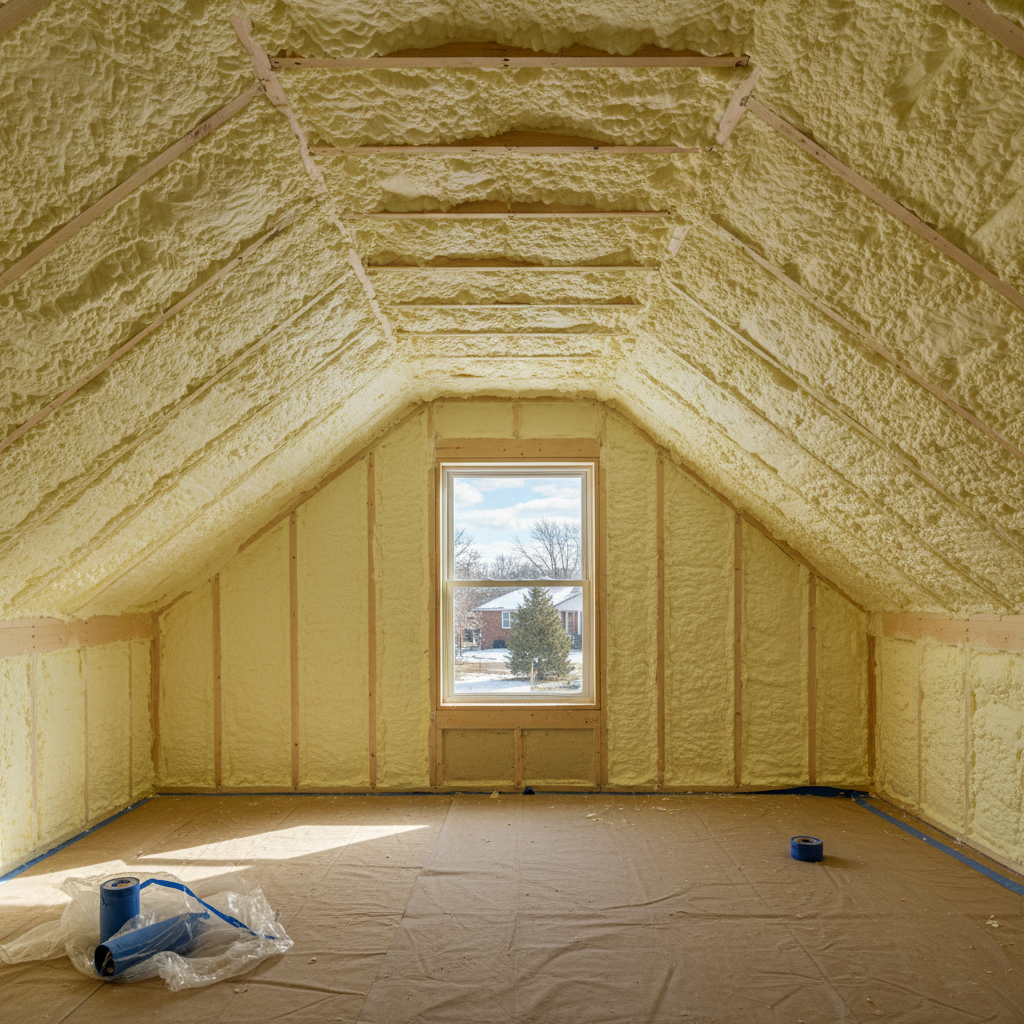
When's the Best Time for Open Cell Spray Foam?
So, you're thinking about open cell spray foam? That's a really smart move for making your home more comfortable and energy efficient. But when's the absolute best time to get it done here in Elgin, you ask? Honestly, it's kind of like that Goldilocks story – you want it not too hot, not too cold. The sweet spot for putting in open cell spray foam usually lands in spring or fall. Why then? Well, the chemicals in spray foam react to temperature. If it's too chilly, the foam might cure slowly, and you might not get the full expansion it needs for a good, tight seal. On the flip side, if it's too hot, it can cure way too fast, which can cause problems with how it sticks or its density. We're really aiming for that middle-ground temperature, typically between 60-80°F, to get the best performance.
Now, that doesn't mean we can't do the job in summer or winter. We absolutely can, but it just means we need to plan things out more carefully and sometimes use special equipment to control the chemical's temperature before it hits your walls or attic. For instance, if it's the dead of winter and we're working in an unheated attic, we might need to bring in heaters to warm up the surface we're spraying onto. During a scorching summer, we might start earlier in the day or tweak our methods to keep the foam from curing too quickly. It's all about managing the environment, and that's just easier when Mother Nature is already being cooperative.
Weather Conditions That Affect Your Project
Beyond just the temperature, other weather conditions can really impact an open cell spray foam job. Humidity, for example, is a big one. Open cell foam is "water-blown," meaning it uses water to help it expand. High humidity can sometimes mess with how long it takes to cure and how the foam ultimately sets up. We always keep an eye on humidity levels to make sure they're right for the specific product we're using.
Wind can also be a real headache, especially if we're spraying in an exposed area, like an open wall cavity before windows go in, or if there are gaps in the sheathing. Wind can carry the spray, making it tough to get an even application and potentially causing overspray where you definitely don't want it. That's why we always try to seal off the work area as much as we possibly can. Rain, of course, is a complete no-go. You just can't spray foam onto wet surfaces; it won't stick right. So, if the forecast looks rainy, we'll have to reschedule. We're always glued to the local Elgin weather, especially those sudden spring thunderstorms or bitter winter cold snaps, just to make sure we're scheduling your project for the best possible conditions.
Protecting Your Open Cell Investment Year-Round
Once your open cell spray foam is in, it's a fantastic investment for your home's comfort and energy savings. But like any investment, a little bit of care helps it last. Here's what you should remember:
- Keep it Dry: This is the most important thing. Open cell foam is, well, open cell. That means it can soak up water if it's directly exposed. It's not like a sponge that'll hold onto water forever – it will dry out – but you really want to avoid it getting saturated for long periods. If you have a roof leak, a burst pipe, or any kind of water coming in, deal with it immediately. Find the source, fix it, and then make sure the foam has a chance to dry out completely. If it's a major flood, you might need to get it professionally dried or even replaced in that spot.
- Protect it from Pests: Spray foam isn't food for pests, but they can tunnel through it if they're really determined. Make sure your home's exterior is sealed up tight. Check for gaps around pipes, wires, and vents. If you've got a pest problem, get it sorted out before it turns into something bigger.
- Mind Your HVAC: Your HVAC system and insulation actually work together. Make sure your ducts are sealed and insulated, especially if they run through unconditioned spaces like an attic or crawl space. If you've got a high-efficiency furnace or AC, it'll perform even better with good insulation, naturally.
- Avoid Compressing It: Open cell foam is soft and flexible. It's great for air sealing and R-value, but it's not meant to hold weight. Don't store heavy items directly on it in an attic, for example, unless you've got proper decking over it. If you need to get to areas with foam, try not to squish it too much.
- Regular Home Maintenance: This sounds super basic, but it's true. Keep your gutters clean, make sure water drains away from your foundation (especially important with our clay soils here in Elgin), and regularly check your attic and crawl space for any signs of trouble. A little proactive maintenance goes a long way in protecting your whole home, including your insulation.
At New Look Insulation Co, we really stand by our work. If you ever have questions about your open cell spray foam or notice anything concerning, please don't hesitate to give us a call. We're here to help you keep your Elgin home comfortable and efficient for years and years to come.