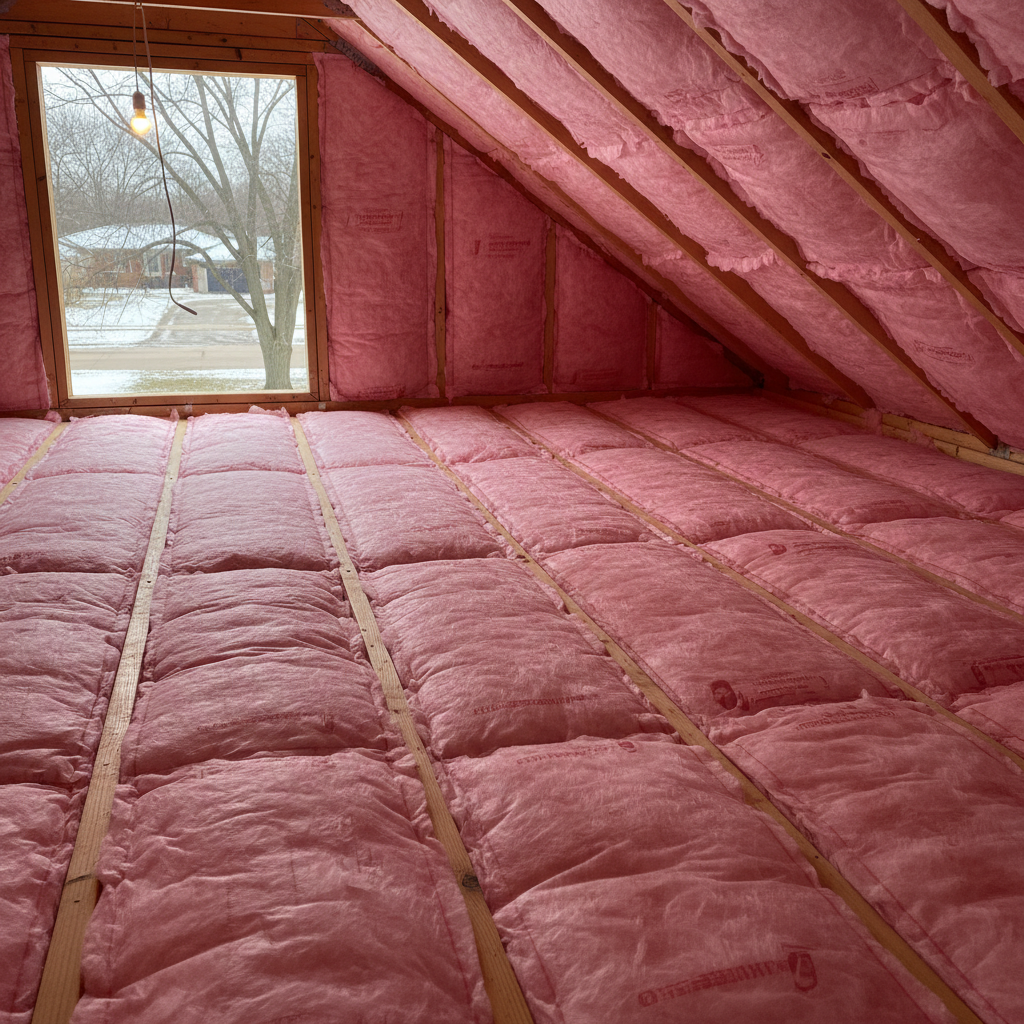
You just invested in new batt insulation, maybe we even installed it for you at New Look Insulation Co. That's great! It's one of the best things you can do for your home's comfort and your wallet. But here's the thing: insulation isn't entirely a 'set it and forget it' kind of deal. Especially not here in Elgin, where we get those brutal winters and humid summers. A little bit of attention can make that insulation last decades, doing its job day in and day out.
Extending the Life of Your Batt Insulation
The main goal is to keep your insulation dry, undisturbed, and in place. That's really it. Moisture is the biggest enemy of batt insulation. Once it gets wet, especially fiberglass or mineral wool, it loses its R-value big time. It can compress, sag, and even become a breeding ground for mold. So, first things first, make sure your roof is sound. Check for missing shingles, damaged flashing around vents or chimneys, and any signs of leaks in your attic after a heavy rain or snowmelt. We see a lot of older homes in the Gifford Park area with original roofing that's just begging for a leak, and that's a direct threat to your attic insulation.
Ventilation is another huge factor. Your attic needs to breathe. Proper soffit and ridge vents work together to move air through the attic, preventing heat and moisture buildup. If those vents are blocked, either by insulation itself or by debris, you're asking for trouble. Make sure the insulation isn't pushed right up against the soffit vents, blocking that airflow. Baffles, those little foam or cardboard channels, are crucial for keeping that path clear.
What Regular Maintenance Looks Like
Honestly, it's not much. I tell folks to do a quick visual check of their attic once a year, maybe in the fall before it gets too cold or in the spring after the snow melts. You're looking for a few simple things:
- Sagging or compressed areas: Batt insulation should look fluffy and fill the joist cavities. If you see it flattened, pulled down, or bunched up, something's wrong.
- Discoloration or staining: Any dark spots or water stains on the insulation or the wood around it are red flags for a leak.
- Pest activity: Look for droppings, nests, or chewed-up insulation. Rodents and other critters love to make homes in insulation, and they can really mess it up.
- Blocked vents: Just make sure those soffit and ridge vents aren't covered up.
That's really all you need to do for regular maintenance. It's more about observation than active work.
Warning Signs of Problems
Beyond what you might see in the attic, your home will tell you if there's an insulation problem. Pay attention to these:
- Higher utility bills: If your heating or cooling costs suddenly jump without a change in usage or energy prices, compromised insulation is a prime suspect.
- Drafts or uneven temperatures: Are some rooms noticeably colder or hotter than others? Is there a draft near an interior wall or ceiling? That could mean insulation has shifted or settled.
- Ice dams: This is a big one for us in Illinois. If you're getting thick ridges of ice along your roof's edge, it means heat is escaping your attic, melting snow, and then refreezing at the colder eaves. Bad news for your roof and your energy bill.
- Musty smells: Any damp or moldy odors, especially in upper floors or near attic access points, point to moisture issues that are likely affecting your insulation.
When to Call a Professional
You don't need to call us every time you see a spider in the attic. But there are definitely times when it's smart to bring in New Look Insulation Co or another trusted professional. If you notice any of the following, it's time to pick up the phone:
- Persistent leaks: You've tried to fix a leak, but it keeps coming back, or you can't find the source. Water damage spreads fast.
- Extensive pest infestation: If you've got a serious rodent or insect problem that's damaged a large area of insulation, it needs to be safely removed and replaced.
- Widespread mold growth: Mold in your attic isn't just a threat to your insulation; it's a health hazard. Don't mess with it yourself.
- Significant sagging or missing insulation: If large sections of your batt insulation have fallen out of place, or if you've got big gaps, you're losing a lot of energy.
- You're uncomfortable going into your attic: Attics can be tricky, especially if they're cramped or have exposed wiring. If you're not comfortable, don't risk it. That's what we're here for.
Taking care of your batt insulation isn't a huge chore, but it's an important one. A little vigilance goes a long way in making sure your home stays comfortable and your energy bills stay manageable for years to come.