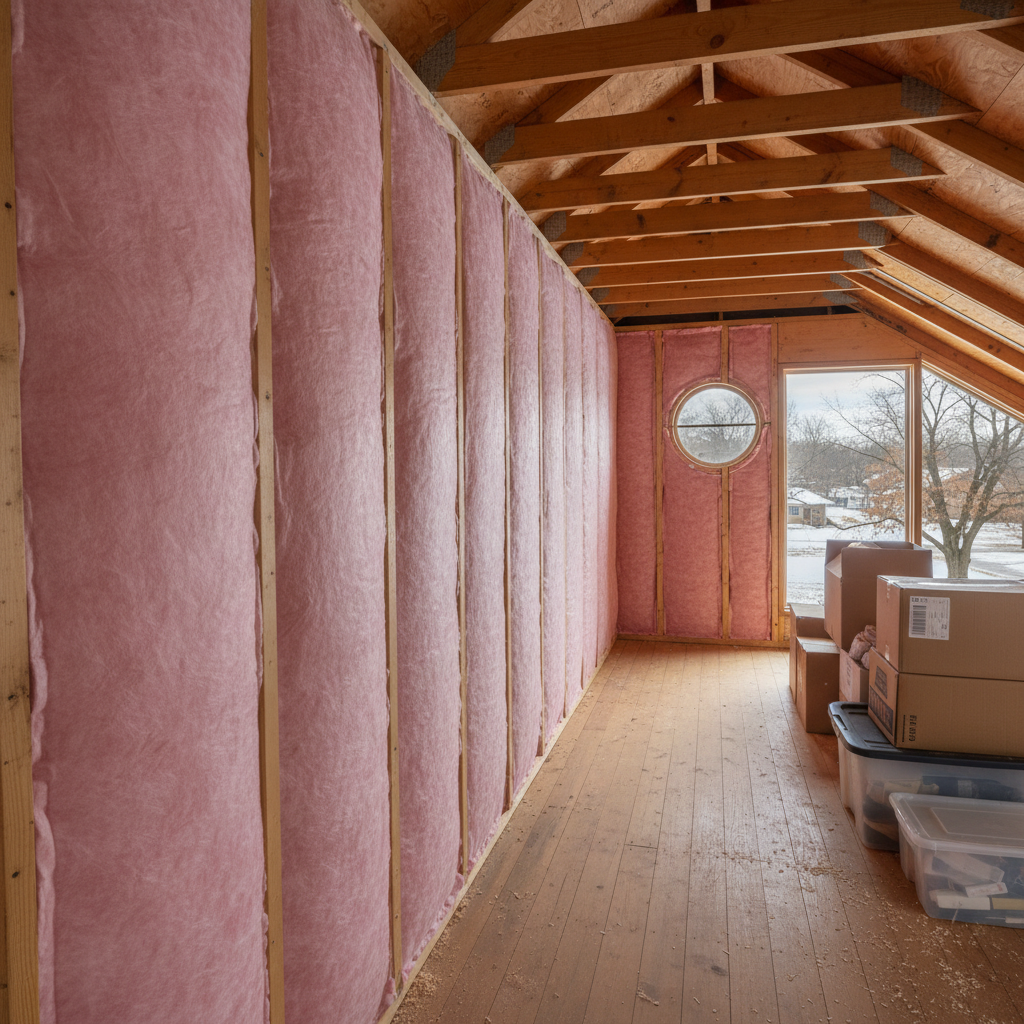
You just had new batt insulation installed, or maybe you've had it for a while and you're wondering how to keep it working right. Good question. A lot of folks think insulation is a one-and-done deal. While it's true that good insulation, especially batt, is pretty low maintenance, 'low' doesn't mean 'no.' Especially here in Elgin, where we get those brutal winters and steamy summers, you want your insulation doing its job year-round.
I've been in this business long enough to see what makes insulation last and what makes it fail prematurely. It usually comes down to a few simple things. Let's talk about how to protect your investment and keep your home comfortable without breaking the bank.
Extending the Life of Your Batt Insulation
The biggest thing you can do to make your batt insulation last is protect it from its enemies: moisture, pests, and damage. Sounds simple, right? It mostly is.
- Keep it dry: This is number one. Batt insulation, especially fiberglass and mineral wool, loses its R-value big time when it gets wet. If you've got a leaky roof, a plumbing issue in the attic, or even just poor ventilation causing condensation, that insulation is going to get soaked. Wet insulation can also lead to mold and mildew, which is a whole other headache you don't want. Fix leaks immediately. Make sure your attic is properly ventilated so humid air doesn't get trapped and condense on cold surfaces.
- Pest control: Mice, squirrels, raccoons – they all love a cozy, insulated attic. They'll nest in it, tear it up, and compact it with their droppings, which destroys its insulating properties. Seal up any entry points into your attic or crawl space. Check around eaves, vents, and utility penetrations for gaps. If you hear scratching or see droppings, deal with it fast.
- Avoid disturbance: Try not to walk on or compress your insulation. If you're up in the attic, use boards to create walkways. Compressed insulation doesn't work as well because it loses its ability to trap air.
What Regular Maintenance Looks Like
You don't need to be up in your attic every week, but a quick check-up once or twice a year can save you a lot of trouble.
- Seasonal checks: I recommend doing a quick visual inspection in the spring and fall. After a long winter, check for any signs of roof leaks that might have gone unnoticed. Before winter, make sure everything looks good for the cold months ahead.
- Look for compaction or gaps: Are there any areas where the insulation looks flattened or pushed aside? Are there gaps between the batts or around pipes and vents? These are spots where heat can escape or enter, negating the good work your insulation is supposed to be doing.
- Check for moisture: Look for water stains on the insulation, wood, or drywall. Feel for damp spots. If you find any, trace it back to the source. It could be a roof leak, a plumbing leak, or even just poor ventilation causing condensation.
- Pest signs: Keep an eye out for droppings, nests, or chewed-up insulation. If you spot any, you've got visitors.
Warning Signs of Problems
Your home will tell you when something's up with your insulation. You just gotta know what to listen for.
- Higher utility bills: This is often the first sign. If your heating or cooling bills suddenly jump without a change in usage or weather, your insulation might not be doing its job.
- Drafts or uneven temperatures: Are some rooms noticeably colder or hotter than others? Do you feel drafts even when windows and doors are closed? That could point to compromised insulation in walls, floors, or the attic.
- Ice dams on your roof: We see a lot of these in older Elgin homes, especially in areas like the historic district where attics might not have been insulated to modern standards. Ice dams form when heat escapes from your attic, melts snow on the roof, and then refreezes at the colder eaves. It's a clear sign of poor attic insulation and ventilation.
- Musty odors: A persistent musty smell, especially in the attic or crawl space, can indicate mold or mildew growth due to moisture issues.
- Sagging ceilings or water stains: These are more serious signs of water damage that could be affecting your insulation.
- Pest noises: Hearing scratching, scurrying, or chirping in your walls or attic means you've got unwanted tenants.
When to Call a Professional
Look, I'm a big believer in DIY when it makes sense. But some things are best left to the pros. When it comes to insulation problems, knowing when to call us can save you bigger headaches and costs down the line.
- Persistent moisture issues: If you've got a recurring leak or condensation problem that you can't pinpoint or fix, give us a call. We can assess the situation, identify the source, and recommend solutions. Trying to fix water damage yourself can be risky.
- Extensive pest damage: If critters have made a home in your insulation and torn it up, you'll need professional removal, cleaning, and re-insulation. It's not just about putting new batts down; you need to make sure the area is sanitized and sealed properly.
- Significant energy bill increases: If you've checked all the obvious culprits (windows, doors, furnace), and your bills are still through the roof, it's time for an energy audit. We can use thermal imaging to find exactly where your home is leaking energy.
- Mold or mildew growth: Don't mess with mold. It can be a health hazard. If you find significant mold on your insulation or in your attic, call a professional for safe removal and remediation.
- You're unsure: If you've done your inspection and you're just not sure what you're looking at, or you suspect a problem but can't confirm it, that's what we're here for. It's always better to get a professional opinion than to let a small problem turn into a big one. At New Look Insulation Co., we're happy to come out and take a look. We'll give you an honest assessment and tell you exactly what's going on.
Taking a little time to check on your batt insulation can go a long way in keeping your Elgin home comfortable and energy-efficient. It's all about catching those small issues before they become big, expensive problems.