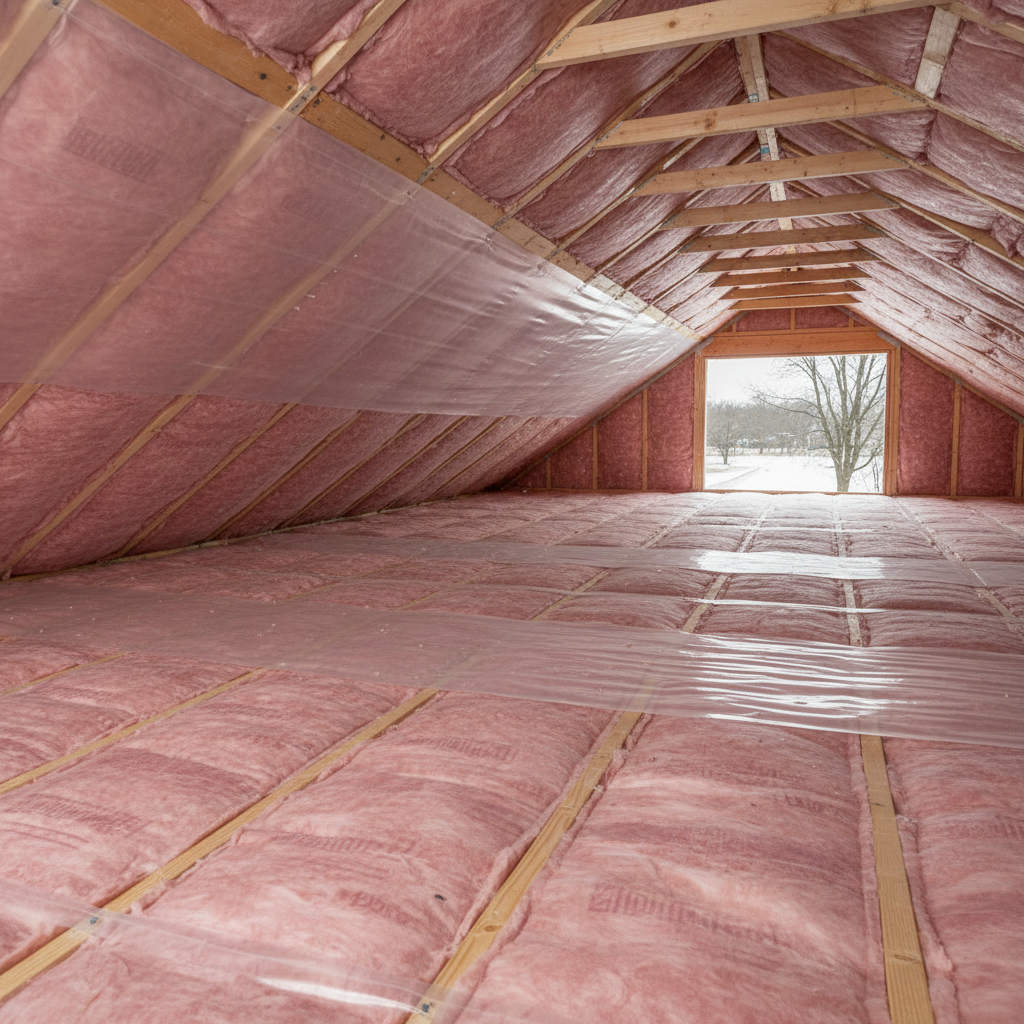
You just had new batt insulation installed, or maybe you've had it for years. Either way, you're probably thinking, 'Great, one less thing to worry about.' And mostly, you'd be right. Batt insulation, especially when installed correctly by folks like us at New Look Insulation Co, is pretty low maintenance. But 'low maintenance' doesn't mean 'no maintenance.' A little bit of looking after can seriously extend its life, keep your energy bills down, and prevent bigger headaches later on.
How to Make Your Insulation Last
The biggest enemy of batt insulation, especially fiberglass or mineral wool, is moisture. It's not just about a leak, though that's a huge one. Condensation can be just as bad, and it's stealthier. In Illinois, we get those wild temperature swings – a warm, humid summer day followed by a cool evening, or a super cold winter where warm, moist air from inside hits a cold attic surface. That's a recipe for condensation if your ventilation isn't right.
So, what can you do? First, make sure your attic is properly vented. We're talking soffit vents, ridge vents, gable vents – whatever makes sense for your roof design. This allows warm, moist air to escape, preventing it from condensing on cold surfaces like the underside of your roof deck or directly on your insulation. If you've got bathroom exhaust fans, make sure they vent outside, not just into the attic. I see that mistake all the time in older homes around the Gifford Park area – people just venting steam and moisture right into their attic space. That's a disaster waiting to happen for your insulation.
Keep an eye on roof maintenance too. Loose shingles, damaged flashing around chimneys or vents, or even clogged gutters can lead to water intrusion. A small drip can soak a whole section of batt insulation over time, making it useless and inviting mold.
Regular Check-Ups: What to Look For
You don't need to be up in your attic every week, but a quick peek once a year, maybe in the fall before it gets too cold, or in the spring, is a good idea. Here's what I tell folks to look for:
- Any signs of water staining: On the insulation itself, on the wood joists, or on the underside of the roof deck. Even faint discoloration can mean a slow leak.
- Compressed or matted insulation: Batt insulation needs its loft to work. If it's flattened, wet, or packed down, it's lost its R-value.
- Gaps or shifts: Did someone move something in the attic? Did a critter get in? Sometimes batt insulation can shift, leaving uninsulated spots.
- Pest activity: Droppings, nests, or chewed-up insulation are clear signs you've got uninvited guests. Squirrels, raccoons, and even mice love to make homes in insulation, and they can really mess it up.
- Mold or mildew: Any fuzzy, discolored growth is a big red flag for moisture problems.
If you're going into your attic, be careful where you step. Always step on the ceiling joists, not directly onto the drywall or insulation, unless you want to put a foot through your ceiling.
Warning Signs You've Got a Problem
Sometimes, your house will tell you there's an issue before you even get into the attic. Pay attention to these:
- Spiking energy bills: If your heating or cooling costs suddenly jump without a change in usage or weather, compromised insulation could be the culprit.
- Drafts or uneven temperatures: Cold spots in rooms, especially on exterior walls or ceilings, can mean your insulation isn't doing its job.
- Musty odors: A persistent damp or musty smell, particularly coming from the attic or upper floors, is a strong indicator of moisture and potential mold.
- Ice dams on your roof: In winter, if you're getting big icicles and ridges of ice forming along your eaves, that's often a sign of heat escaping from your attic, melting snow, and then refreezing. It means your attic isn't properly insulated or vented.
When to Call a Professional
Look, if you spot any of those warning signs, or if you're just not comfortable poking around in your attic, that's when you call us. Don't let a small issue turn into a big, expensive one. We can come out, do a thorough inspection, and figure out exactly what's going on.
You should definitely call a professional if you see:
- Significant water damage or active leaks.
- Extensive mold growth.
- Signs of a serious pest infestation.
- Large sections of insulation that are matted, missing, or heavily damaged.
- Persistent high energy bills even after checking other factors.
We've seen it all, from leaky roofs ruining insulation to raccoons setting up entire families in attics. Getting a pro involved early can save you a ton of money and stress down the road. Your batt insulation is an investment in your home's comfort and efficiency, so treat it right, and it'll treat you right for decades.