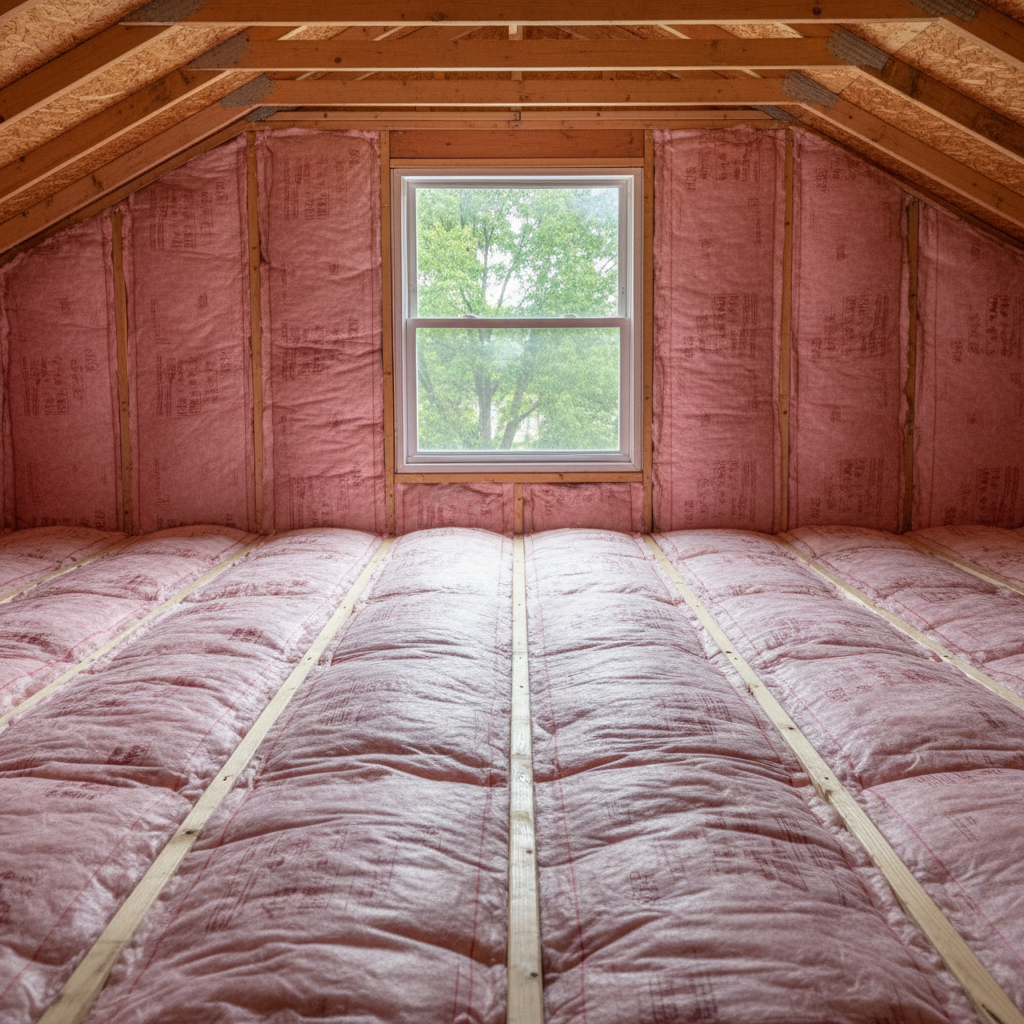
Your Batt Insulation: Built to Last, But Not Forever
So, you've got batt insulation in your Elgin home. Maybe it's brand new, or perhaps it's been tucked away for years. Either way, you expect it to do its job, right? That means keeping your place toasty during our brutal Illinois winters and nice and cool through those sticky summers. Good news: batt insulation, when put in correctly, is pretty tough. But "tough" doesn't mean you can just forget about it. You've got to give it a little care and attention if you want it to perform well for decades.
I've seen countless homes around the Gifford Park area. Some have insulation that's original to the house, while others, barely a few years old, are already failing because nobody looked after them. A little proactive care really goes a long way, believe me.
Making Your Insulation Last Longer
Batt insulation's biggest enemy? Moisture. Full stop. Doesn't matter if it's fiberglass, mineral wool, or cotton – get it wet, and it loses its R-value, gets heavy, sags, and can even become a breeding ground for mold. So, your top priority is keeping water out. That means:
- Fix roof leaks right away. Seriously, don't wait. Even a small drip can soak a whole section of insulation over time.
- Check for plumbing leaks. This is especially true in attics or walls where pipes run. A tiny pinhole leak can cause major damage before you ever spot it on your ceiling.
- Make sure there's good ventilation. This is super important, especially in attics. Our wild Illinois temperatures, swinging from freezing cold to humid hot, can cause condensation if your attic isn't breathing properly. That moisture can then settle into your insulation. Double-check that your soffit and ridge vents aren't blocked.
- Protect it from pests. Mice, squirrels, raccoons – they absolutely love nesting in insulation, tearing it up, squishing it down, and leaving behind all sorts of nasty stuff. Seal up any entry points into your attic or walls.
Regular Check-Ups: What to Look For
You don't need to be an insulation guru to do a quick visual check. I tell my clients this constantly. A few times a year, especially after big storms or extreme weather, just take a peek. Here's what you should be looking for:
- Sagging or Gaps: Batts should fit snugly between joists or studs. If you see them pulling away, sagging, or falling out, that's a problem. Cold air will just zip right past them.
- Damp Spots or Stains: Any discoloration, water marks, or actual dampness is a red flag. Try to trace it back to the source if you can.
- Compacted Areas: Insulation works by trapping air. If it's flattened or squished, it's not doing its job. This can happen if people walk on it (which you shouldn't do unless it's boarded) or because of pests.
- Mold or Mildew: Any fuzzy, discolored growth means you've got a serious moisture issue that needs attention immediately.
- Pest Droppings or Nests: If you see evidence of critters, you've got uninvited guests making themselves at home in your insulation.
For your attic, I'd suggest a quick visual check every spring and fall. For walls, it's tougher to see, but if you start noticing cold spots or drafts, that could point to an issue.
Warning Signs You've Got a Problem
Beyond what you can see, your home will definitely tell you if your insulation isn't working right. Pay attention to these:
- Spiking Energy Bills: If your heating or cooling costs suddenly jump without you using more energy or utility rates changing, your insulation might be failing.
- Drafts or Cold Spots: Feeling cold air near walls, windows (even if they're new), or in certain rooms? That's a sign heat is getting out.
- Ice Dams: This is a classic Illinois winter headache. If you're getting big icicles and ice buildup on your eaves, it means heat is escaping your attic, melting snow, and then refreezing at the colder edges of your roof. Your attic insulation simply isn't doing its job.
- Uneven Temperatures: Some rooms are stifling hot, others are freezing cold. Good insulation helps keep things balanced.
- Pest Noises: Scratching, scurrying, or chirping in your walls or attic means you've got an infestation that's probably damaging your insulation.
When to Call a Professional (Like Us at New Look Insulation Co.)
Look, a lot of this you can handle yourself – fixing a small leak, sealing up a hole. But some problems are bigger than a DIY fix. You should call a pro if:
- You find significant water damage or mold. This isn't just an insulation problem; it's a health hazard that needs proper remediation.
- You suspect a major pest infestation. We can assess the damage, remove contaminated insulation, and help seal entry points.
- Your energy bills are consistently high, and you can't figure out why. We can do an energy audit and pinpoint exactly where your heat is escaping.
- You're experiencing persistent ice dams. This often points to a ventilation and insulation issue that needs a comprehensive solution.
- You're not comfortable getting into your attic. Attics can be tricky, especially older ones in Elgin with uneven flooring or tight spaces. Don't risk a fall, okay?
- You need to replace large sections of damaged insulation. Getting it installed correctly, without gaps or compression, is crucial for performance.
Don't let your investment go to waste. A little attention now can save you a lot of headaches and money down the road. If you've got questions or suspect a problem, give us a call. We're here to help keep your home comfortable and efficient.