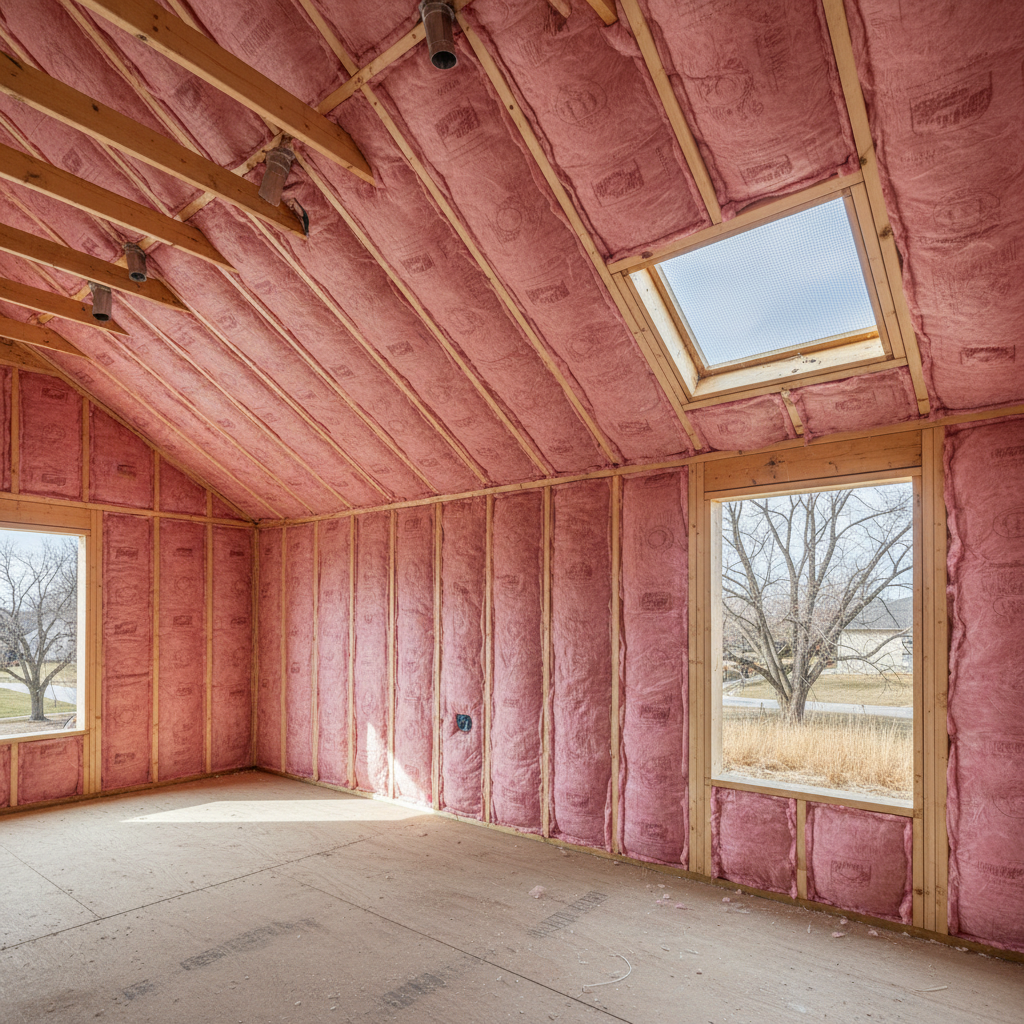
So, you're thinking about batt insulation for your place here in Elgin. Smart move. It's a solid, dependable choice that can really boost your comfort and trim those energy bills. But, after seeing so many projects go sideways over the years, I know there are some common blunders folks make. You definitely don't want to be one of them. Let's talk about what to watch out for.
Mistake #1: Not Knowing Your R-Value Needs
This is a big one. Lots of people just figure 'more is better' or they simply use whatever their buddy did. But your home's insulation needs aren't really a one-size-fits-all kind of thing. We get some pretty brutal winters here in Northern Illinois, don't we? You know how those January winds can just whip across the Fox River. That means you need enough R-value, especially in your attic and exterior walls. R-value, by the way, is just a way to measure thermal resistance – basically, how well the insulation stops heat from moving through it.
If you put in R-19 where you actually need R-38, you're leaving money on the table every single month. And you'll still feel those drafts. Don't just guess. Look up the recommended R-values for our climate zone (we're Zone 5, if you're curious) or, even better, have a pro come out and check your specific situation. They'll look at your current insulation, your home's construction, and where you're losing heat.
Mistake #2: Ignoring Air Sealing First
Here's a little secret: insulation works best when it's not constantly fighting a losing battle against air leaks. You can pack your walls and attic full of the best batt insulation money can buy, but if cold air is still streaming in through gaps around electrical outlets, plumbing pipes, or attic bypasses, you're just wasting a lot of that insulation's potential. It's kind of like trying to fill a bucket with water when it's got holes in the bottom.
Before any insulation goes in, you absolutely have to deal with air sealing. This means caulking cracks, sealing gaps with expanding foam, and making sure your attic hatch or pull-down stairs are properly weatherstripped and insulated. A good contractor will always suggest air sealing as part of the insulation process. If they don't bring it up, well, that's a red flag.
Mistake #3: DIY Gone Wrong (or Hiring the Cheapest Guy)
I get it. You're handy, you want to save a few bucks. And sure, for a small, simple job, maybe you can tackle batt insulation yourself. But for a whole house, or even an entire attic, it's tougher than it looks to do it right. Batts need to be cut precisely to fit, not squished or left with gaps. They need to be installed without any voids or thermal bridges. You can't just shove it in there, really.
I've seen homeowners who tried to DIY and ended up with insulation that's compressed, leaving cold spots, or installed backwards, which can lead to moisture problems. The same goes for hiring the cheapest person you can find on Craigslist. You might save a few hundred dollars upfront, but if the job's done poorly, you'll be paying for it in higher energy bills and potential repair costs later on. Look for contractors with good reviews, proper insurance, and a history of quality work. Ask for references. And don't be afraid to ask questions about their process.
Mistake #4: Forgetting About Ventilation
This one often gets missed, especially in attics. You're adding insulation to keep heat in, right? But your attic still needs to breathe. Good ventilation – usually a mix of soffit and ridge vents – helps stop moisture from building up, which can cause mold. It also keeps your roof deck cooler in the summer, making it last longer. If you just pile on insulation without thinking about how it might block existing vents, you're asking for trouble.
When you're putting batt insulation in an attic, you need to make sure baffles are in place at the eaves. These baffles create a channel for air to flow from your soffit vents up into the attic space, even with thick insulation. Without them, you could be trapping moisture and heat, which kind of defeats some of the purpose of insulating in the first place.
Mistake #5: Not Considering the Long-Term Picture
Insulation isn't just about making your house feel warmer next winter. It's an investment in your home's overall health and efficiency. Think about how long the material will last, how it performs over time, and how it affects other systems in your home.
For example, if you've got an older home in, say, the Elgin Historic District, you might run into some unique challenges with wall cavities or existing materials. You need a contractor who understands how to work with those specific conditions, not just someone who's going to slap up some fiberglass and call it a day. Here at New Look Insulation Co, we always take the time to look at the whole picture, not just the insulation itself. We want to make sure the solution we put in place will serve you well for decades, not just until the next heating season.
Doing your homework and asking the right questions early on can save you a lot of headaches. Don't rush into it. Take your time, get a few quotes, and make sure you're comfortable with the plan and the people doing the work. Your comfort and your wallet will definitely thank you for it.