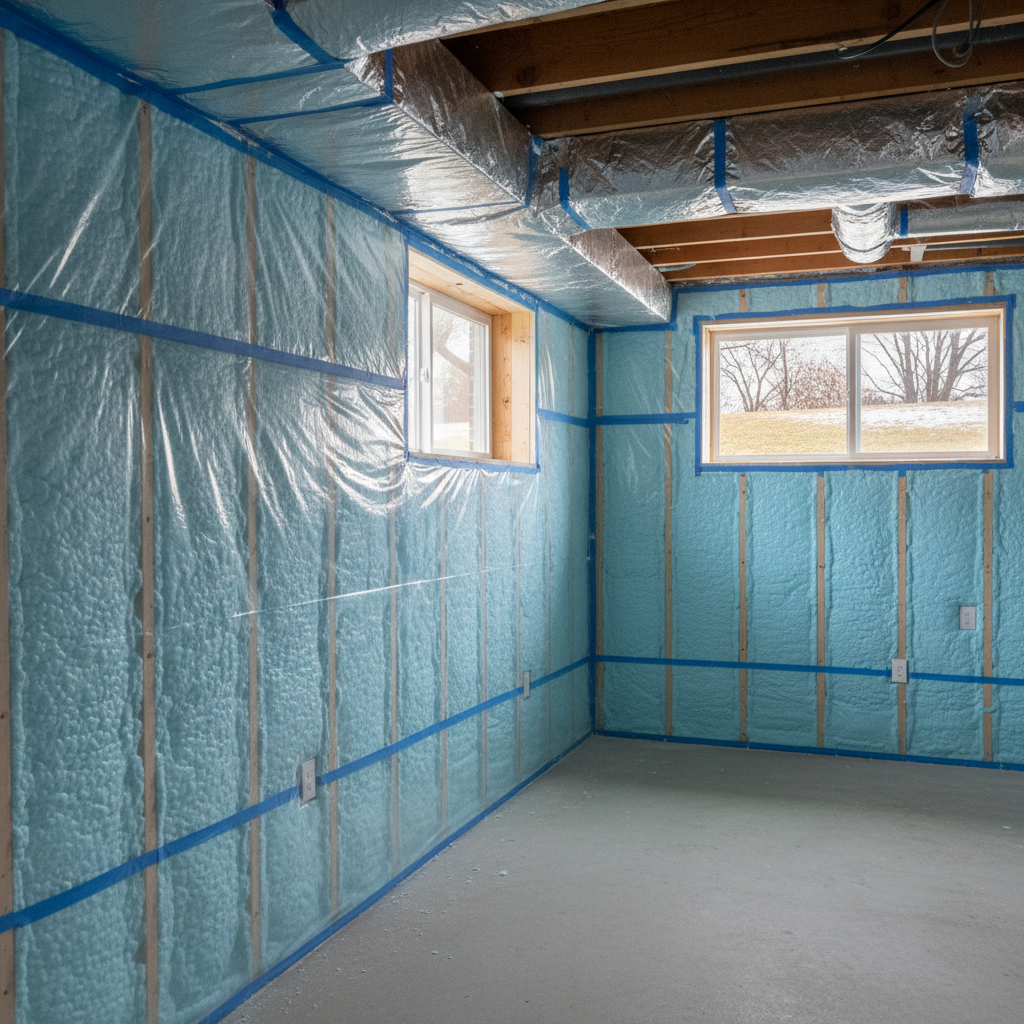
So, you've decided to insulate your basement. Smart move, truly. It's a great way to boost comfort, cut down on energy bills, and even carve out some extra living space. But honestly, I've watched plenty of folks right here in Elgin make some real blunders with projects like this. You definitely don't want to follow in their footsteps. Let's talk about the most common screw-ups I see homeowners make and, more importantly, how you can sidestep them.
Ignoring Moisture Issues First
This? This is probably the biggest, most expensive mistake you can possibly make. I can't even count how many times people call me, all excited to get their basement insulated, only for me to discover they've got a damp wall or a puddle after a good spring rain. Insulating over a moisture problem is like slapping a band-aid on a gushing wound, you know? You're just trapping that moisture inside, creating a perfect little haven for mold, mildew, and rot. Seriously, before you even *think* about insulation, your basement absolutely has to be dry. That means checking for cracks in the foundation, making sure your gutters are spotless and sending water away from the house, and maybe even thinking about a perimeter drain or a sump pump if you're in a low area or have one of those older homes, like the ones you find down by the river in downtown Elgin.
Choosing the Wrong Type of Insulation
Not all insulation is created equal, especially when we're talking about basements. I often see people trying to use standard fiberglass batts directly against concrete walls without any proper vapor barrier or framing. Concrete is porous, it breathes, and it's cold. Stick fiberglass right on it, and you're just asking for trouble. It'll soak up moisture, get soggy, lose its R-value, and presto — mold factory. For basements, you generally need something that can handle moisture better and give you a continuous thermal break. That's why options like rigid foam boards (XPS or EPS) or closed-cell spray foam are usually better bets. They resist moisture, offer a good R-value, and can even act as a vapor barrier. Don't just grab whatever's cheapest at the big box store without understanding what it's actually for.
Not Planning for Future Finishes
Are you just insulating for energy efficiency, or do you eventually want to turn that basement into a proper living space? This makes a huge difference in how you approach the insulation. If you're going to frame out walls, add drywall, and make it a bedroom or family room, you need to think about electrical, plumbing, and HVAC runs *before* you insulate. It's a total nightmare trying to snake wires through finished insulation or cut out foam board just to add an outlet later. Plan your layout, mark exactly where everything needs to go, and then insulate accordingly. It'll save you so many headaches and a lot of money down the road.
Hiring the Cheapest Bid Without Asking Questions
Look, I get it. Everyone wants to save a buck. But when it comes to something as critical as basement insulation, going with the absolute cheapest bid without doing your homework is a massive gamble. I've seen contractors cut corners, use crummy materials, or just not grasp the unique challenges of basement environments. Ask questions: What kind of insulation are they recommending and why? How will they deal with potential moisture? What's their specific experience with basements? Do they offer a warranty? Are they licensed and insured? A reputable company like New Look Insulation Co will happily answer all these questions and explain their process. If someone gives you a rock-bottom price and can't clearly explain their plan, that's a huge red flag, wouldn't you say?
Forgetting About Rim Joists
The rim joists are those pieces of wood sitting right on top of your foundation walls, forming the perimeter of the floor above. They're often overlooked, but they're a huge source of air leakage and heat loss in a basement. Think of them as a thermal bridge, connecting your warm living space directly to the cold outside. Just insulating the walls and leaving the rim joists exposed is like leaving a window open all winter. Spray foam is usually the best solution here because it seals all those tiny gaps and provides excellent insulation. Don't let your contractor skip this crucial step.
DIYing Without Proper Knowledge or Tools
I'm all for a good DIY project, honestly, but basement insulation — especially with spray foam or rigid boards that need precise cutting and sealing — isn't always the best place to learn on the fly. Without the right safety gear, tools, and a solid understanding of building science, you can easily create more problems than you solve. You could end up with an improperly sealed basement, wasted materials, or worse, health hazards if you're not careful with certain insulation types. If you're not confident, it's better to call in the pros. We've got the experience and equipment to get it done right the first time.
Getting your basement insulation right means a warmer, drier, more energy-efficient home. Avoid these common mistakes, and you'll be enjoying that comfortable basement for years to come.